Industry Insights
Can Dangote Refinery End Nigeria’s Dependence on Imported Fuels?
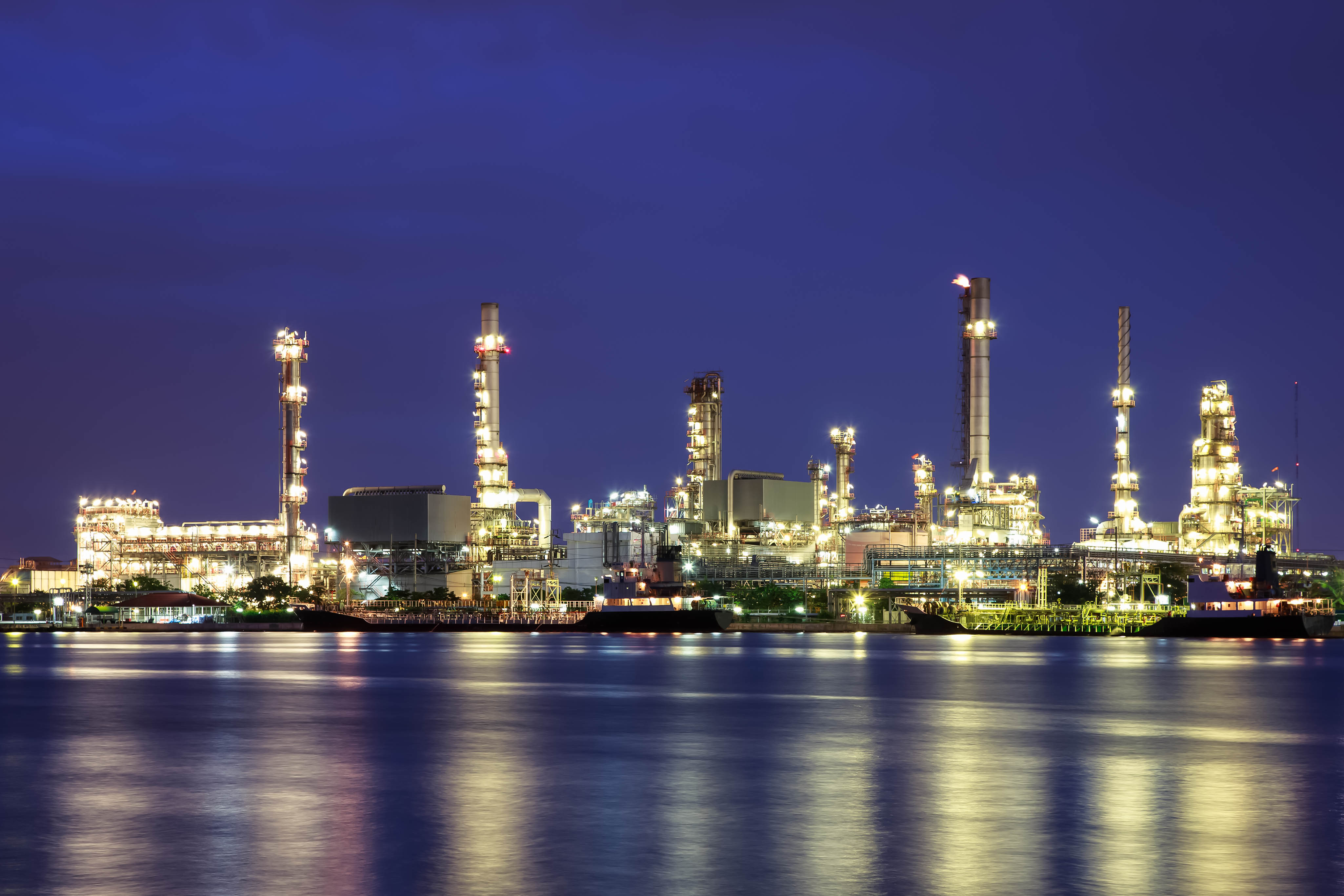
For decades, Nigeria has faced a paradox: despite being one of Africa's largest crude oil producers, it has relied heavily on imported refined petroleum products to meet domestic demand. The commissioning of the Dangote Refinery has sparked renewed optimism that this long-standing contradiction may finally be addressed.
With a refining capacity of 650,000 barrels per day, the facility has the potential to significantly reduce fuel imports, strengthen energy security, ease pressure on foreign exchange reserves, and position Nigeria as a regional refining hub. However, refining capacity alone does not guarantee fuel independence.
Challenges such as crude oil supply constraints, market-based fuel pricing, infrastructure bottlenecks, and downstream distribution inefficiencies remain critical factors that will determine the refinery's long-term impact. While the Dangote Refinery represents a major step toward self-sufficiency, ending Nigeria's dependence on imported fuels will require coordinated policy reforms, reliable crude supply, and sustained investment across the entire energy value chain.
The refinery may not be a silver bullet, but it has undoubtedly changed the conversation about Nigeria's energy future.
14 Jun 2026
·
AEBS Insights Team